We use the word happiness a lot, but what does it actually mean? On International Day of Happiness, let’s be clear: it’s not about feeling good all the time. Here are three small, evidence-backed things you can do today.

We use the word happiness a lot, but what does it actually mean? On International Day of Happiness, let’s be clear: it’s not about feeling good all the time. Here are three small, evidence-backed things you can do today.

Quick takeaways:
• How to go from helplessness to hope through community connection
• Practical steps: From languishing to flourishing through small actions
• Build resilience in challenging times by supporting others
It’s easy to feel overwhelmed by global events and wonder “what can I do?”
In light of world events, this year’s Mental Health Awareness Week theme of “Community” feels more important than ever.
As we try to muddle our way through these challenging times, Dr. Keyes shares valuable insights to help us move from languishing to flourishing, with a particular focus on the importance of community connection.
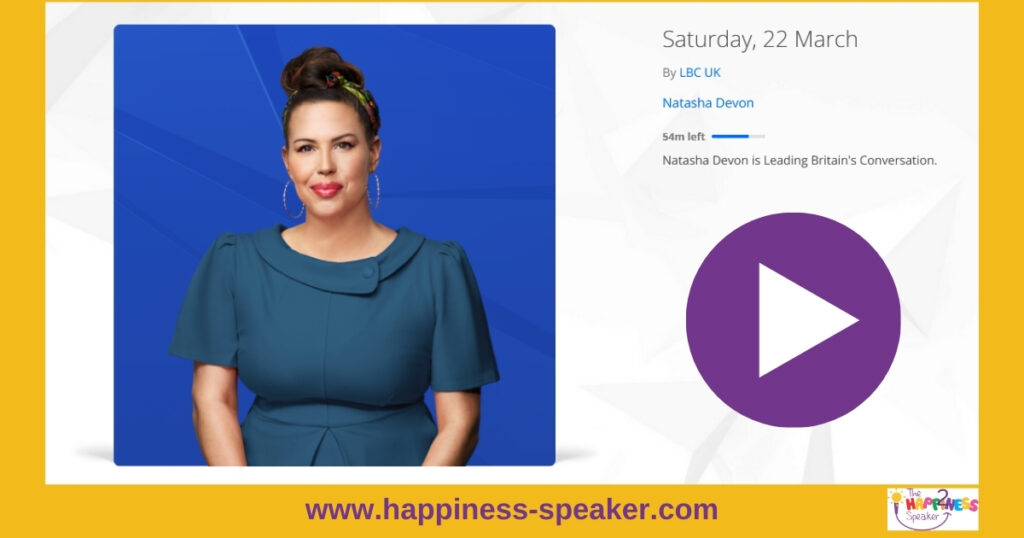
Two days after International Day of Happiness, Natasha Devon asked me onto her LBC show to talk about the World Happiness Report 2025.
We started off talking about how to define happiness, and some of the key findings from the 2025 report, in which the UK dropped from #20 to #23, while Finland remained at the top of the table for the 8th year running. The report found that social support, welfare systems in place, and how kind we perceive others to be are important factors that affect how happy we are.
Adults spend a significant proportion of their waking hours at work, so we can’t just practice wellbeing behaviours outside of work. We need to embed them into the very fabric of our workplaces.
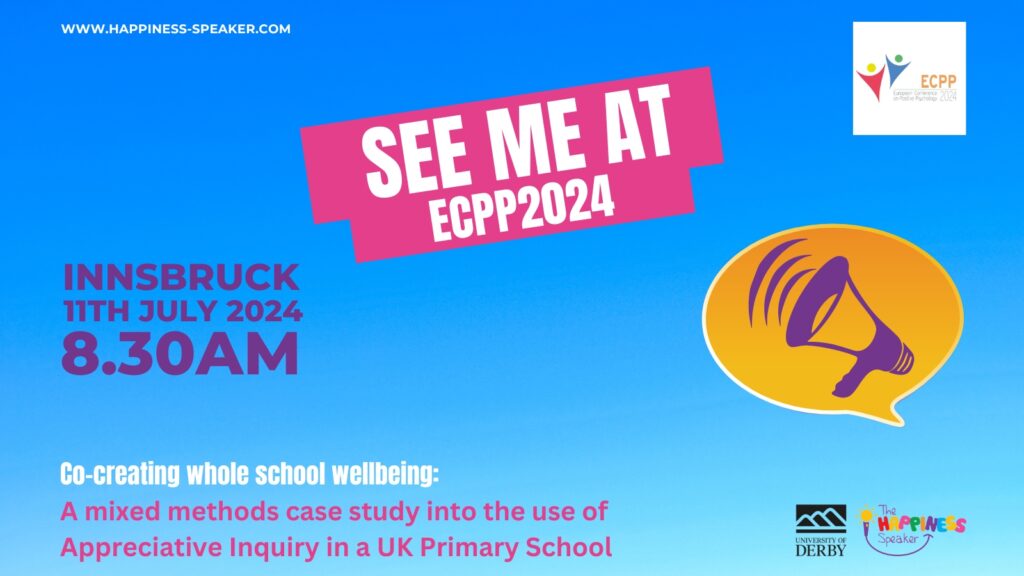
The European Conference on Positive Psychology (ECPP) will be in Innsbruck 10th-14th July 2024. Join me on 11th July at 8.30am to find out how Appreciative Inquiry is supporting whole school wellbeing in an English primary school.